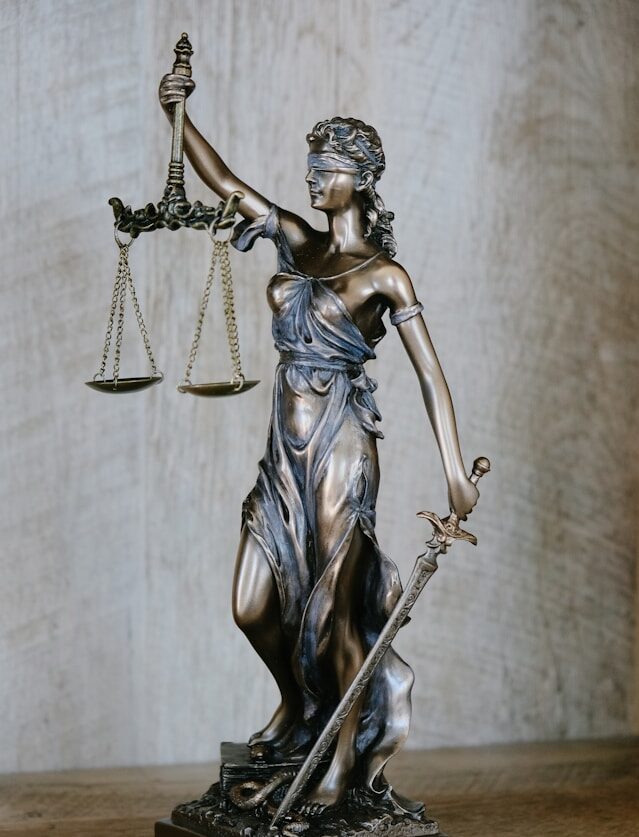
I’m going through a fairly turbulent period of transition or change—which I guess everyone is going through all the time—but this one is kind of sticky for me. In terms of practice, lately a lot has been coming up for me. I’m interested in better understanding and being able to discern the differences between justice—or standing up for oneself—and vengeance. Because for me those two things run real close, but I think that they’re really different things, and the latter is probably not so helpful or fun for the people around me.
How should we read reports about the Buddha and his awakening and his vision of his past lives? It’s something I reflect on often. A lot of the reading I’ve been doing indicates that for one to have a serious practice or to make significant gains in one’s practice, that you need to believe in reincarnation. That stirred up a lot of reaction in me. Once I let that settle, I was wondering if that was true or not, what your thoughts or opinions were on it?
I’d like you to talk a little bit about karma, if you would. I have trouble accepting the whole thing. I understand the conditionality of causes and effects, but the long-term business, especially the reincarnation, past lives, future lives—that’s something I have trouble with. Can you tell me how you have accepted that and to what degree it’s based on your experience and to what degree it’s based on faith purely?
Is there a difference between rest and observe? The reason I have the question is that I’ve been taught to observe—watch my breath, for instance. And in my mind, the way I think, I watch it, I observe it, and I don’t deal with it or experience it—I just watch it. So my question is: what is the difference between the two?
One of the dedication prayers I learned from you—I really love this prayer—but it includes this line: “Give me energy to know that mind has no beginning.” And even though I say the prayer every day, I still don’t really understand what is being expressed in that line.
I have some questions regarding psychotherapy and Buddhism, and this is coming out of evaluating an experience recently, within the last year, of my mother passing away and being engulfed with sorrow and confusion and fairly overwhelmed by it. So, I sought out some psychotherapy, which was a very interesting experience, but in the end, not that useful.
Is having an ethical commitment always necessarily the best way to live through feelings and half awareness, which is what we’re doing in the vipashyana practice? Are those always in concert or is it possible that there may be instances where maybe it’s not very helpful to have ethics on your mind? Particularly when feeling like anger or a lot of negative emotions, I wonder if what they’re calling us to do may actually involve taking some kind of an action sometimes?
Around age 19, I started having panic attacks, the bouts come and go but recently I’ve had a series of especially terrifying ones. I’ve tried to use my sitting practice for help, but they keep coming. When they hit, I’m powerless to the terror and afterward it lingers, and I’m always scared for its return. How do I deal with my panic attacks?
Let me say, right at the start, that I am not going to be diplomatic. The extent to which the notion of forgiveness has insinuated itself into contemporary Buddhist thinking disturbs me deeply. Although many may disagree with me, I feel that current interpretations of forgiveness in the Buddhist community undermine the teachings of karma, encourage […]
One of the fundamental teachings of Mahayana Buddhism is that every being has the potential for awakening—buddha nature. Yet out of the billions of people on this planet, the overwhelming majority are locked by necessity or by choice into a materialistic approach to life. In all probability, no more than a few million have even […]
When someone close to us dies, our connection with that person is broken and cannot be restored. Yet the web of connections does not disintegrate right away. It gradually unravels — strands release one by one. Each strand is a memory, a recollection, or an association. The purpose of this ceremony is to complete our relationship with the person who has died and, in doing so, to allow the process of letting go to begin.
A few years ago, I was teaching a workshop on the Heart Sutra. We had just finished that long list of negations and everyone was a bit off balance, having had the rug pulled out from under them four or five different ways. The next lines were, “Because for bodhisattvas there is no attainment, they […]
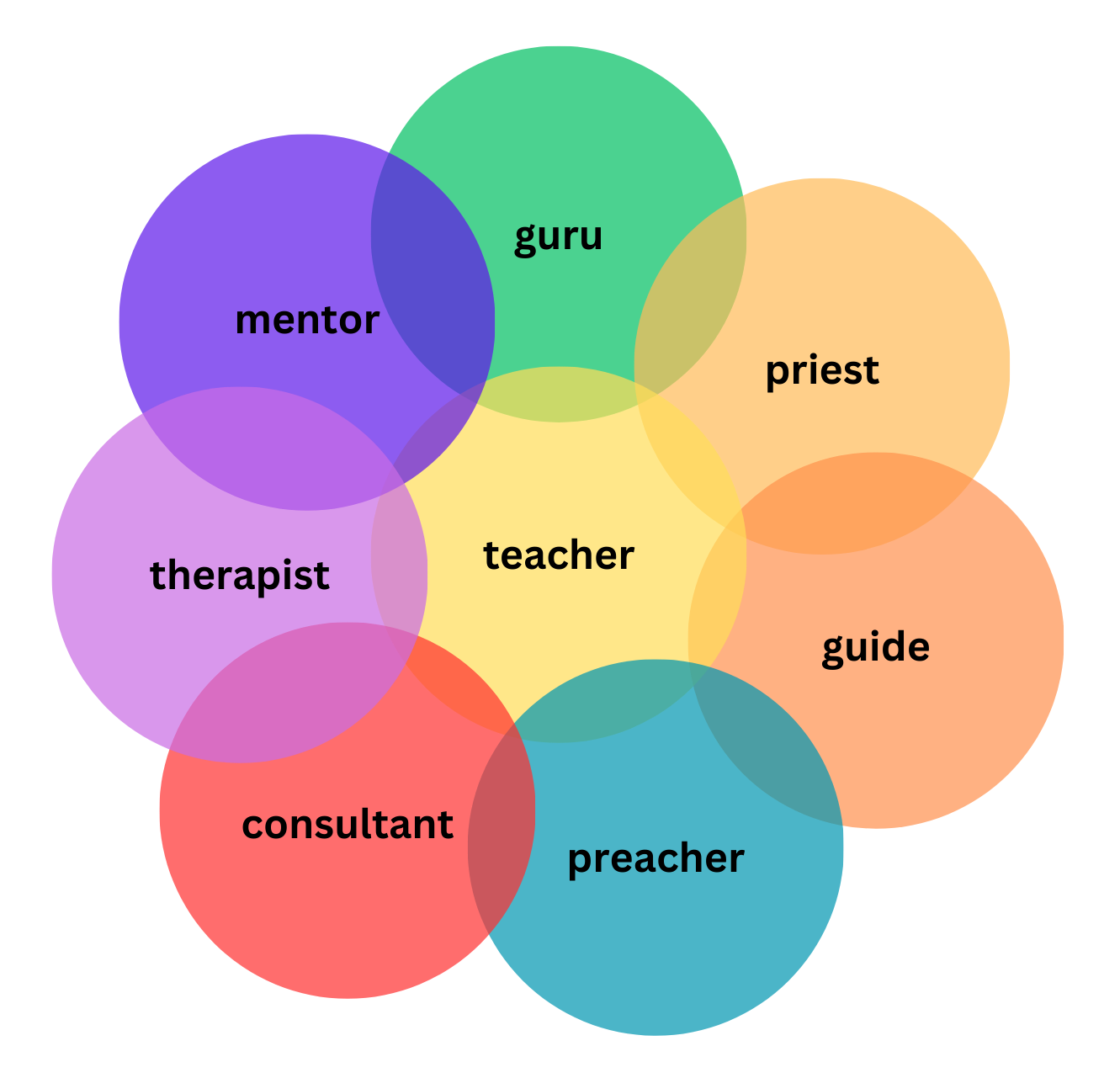
Teacher, guru, or spiritual friend, what are you looking for? The spiritual path has many challenges. There are many things we need to learn or develop. A short list would probably include motivation, skills in meditation and prayer, contemplation, etc. Like music and painting, most of us learn spiritual practice better with someone, rather, than, […]
Over the last few weeks, I’ve received a few emails with questions about a Buddhist response to the 2016 election. Here is one: What does Buddhism have to say about how to respond to the behavior and rhetoric of Donald Trump? And just as important, what does it say about how to respond to his […]
I’ve spoken to more than a few people who say that the results of the 2016 election have brought up difficult feelings of a kind they have not encountered before. That’s understandable. It’s not every day that we experience the world we have known crumbling and collapsing around us. After the election, it became very […]